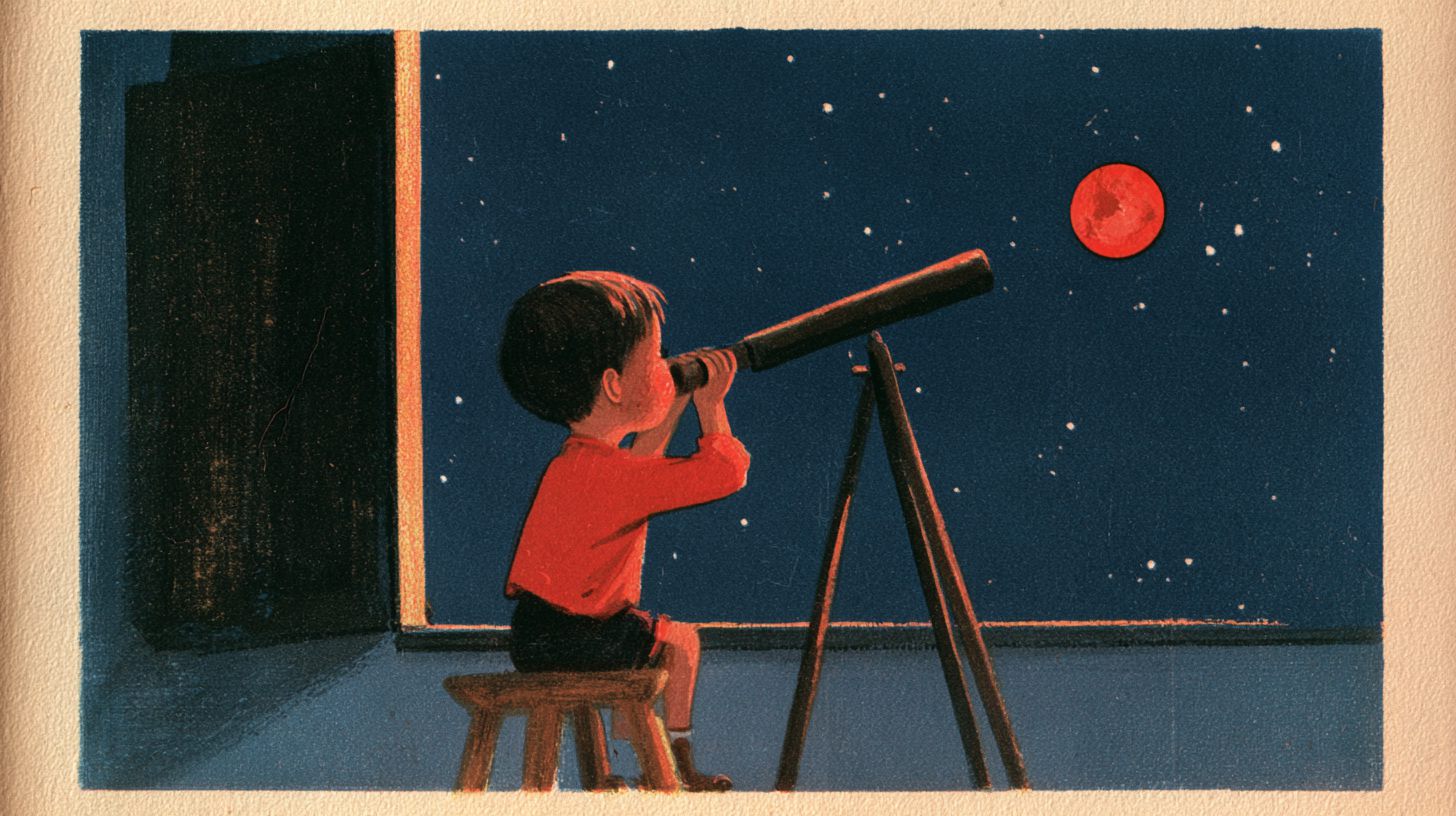
You Will Go to Mars
A true story
Abundance press · 2026
scroll to begin
A true story
Abundance press · 2026
scroll to begin
ABUNDANCE Press · Earth
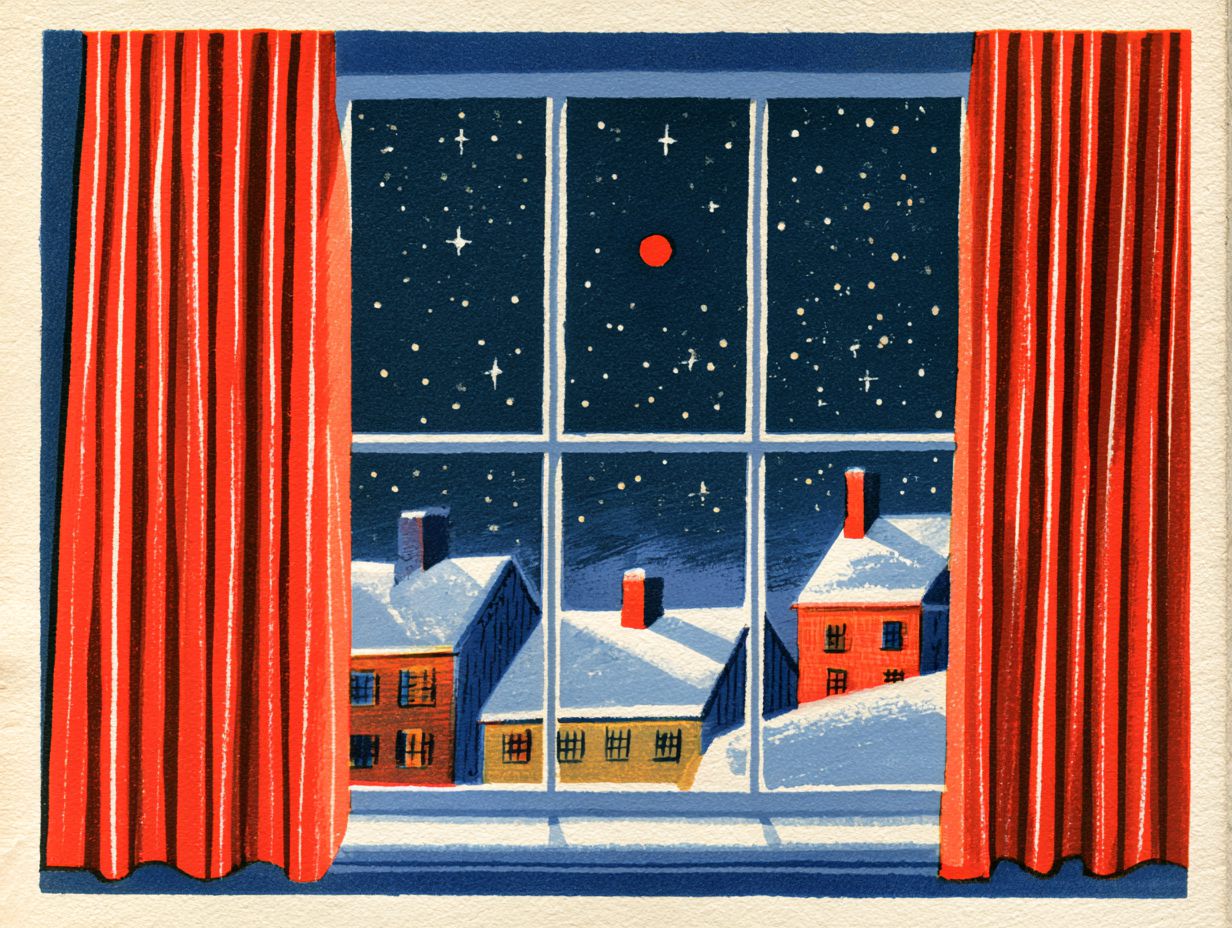
Mars is up there, far away.
It looks like a little red star. It is not a star. It is a place.
People have walked on the Moon. No one has walked on Mars yet.
But someone will go there soon.
Some day you may go there, too.
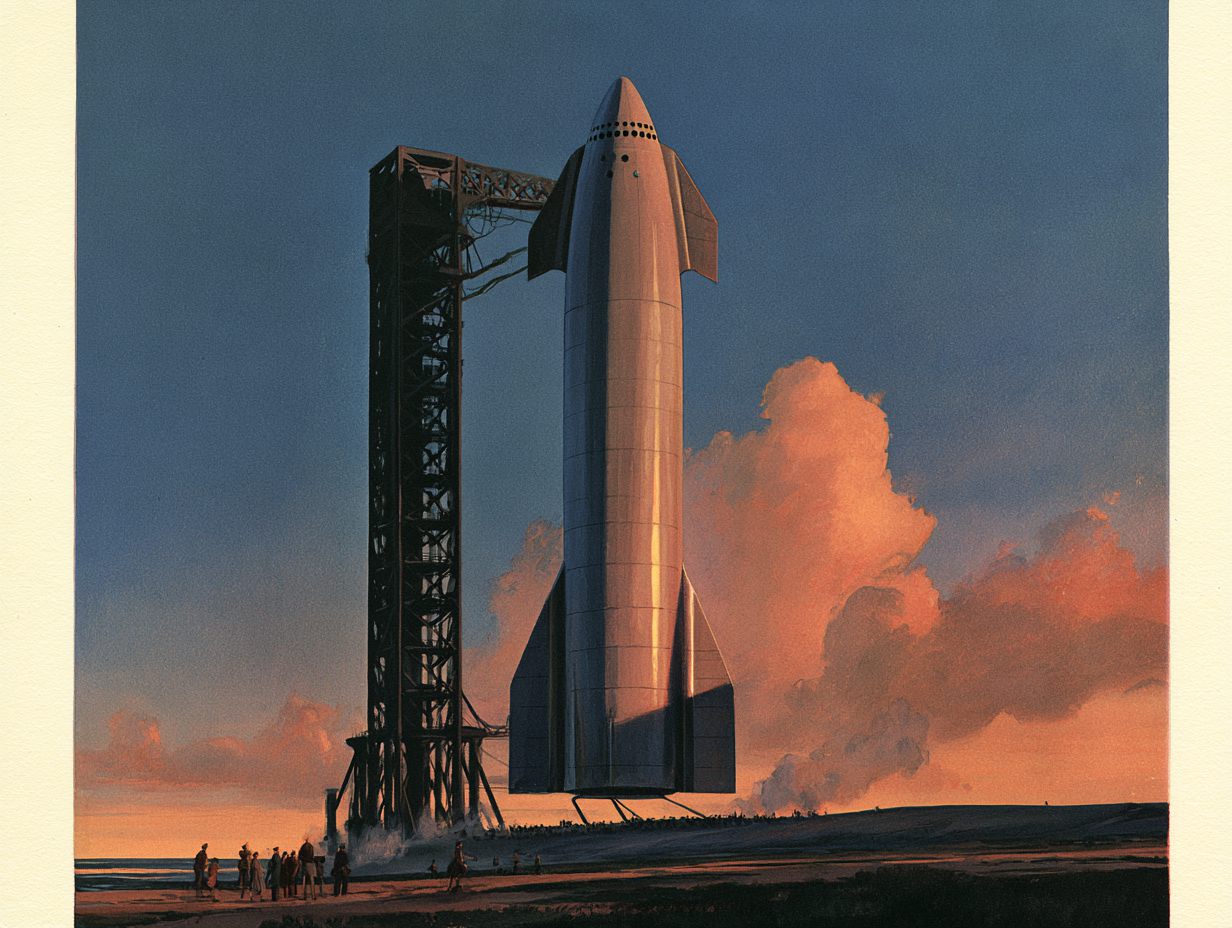
This is your rocket.
It is taller than any rocket that has ever flown.
You will ride at the very top, in the part with the windows.
Everything you need is packed below you.
Air. Water. Food. A deck of cards.
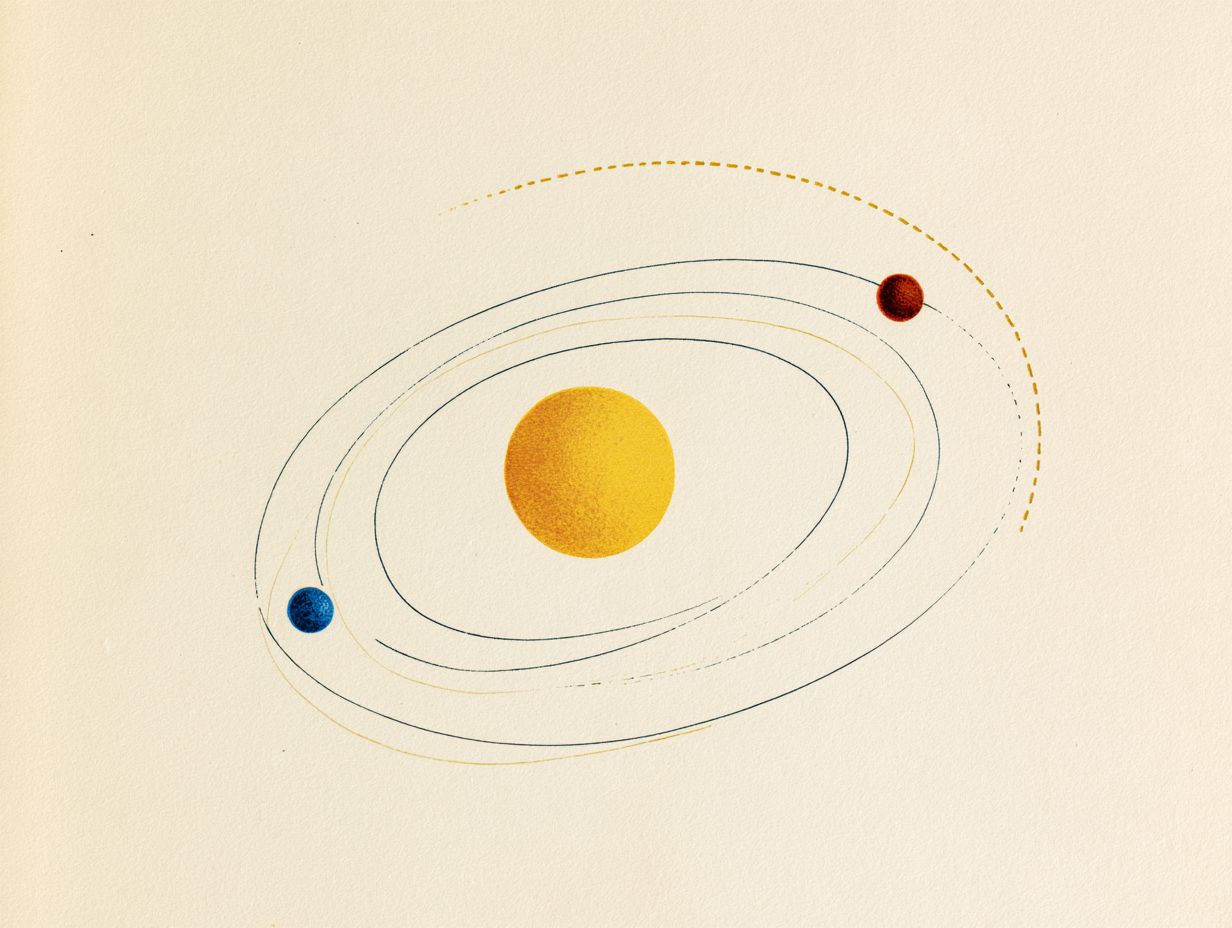
You cannot leave on just any day.
Earth moves fast around the Sun. Mars moves slow.
Once every 26 months, Earth catches up to Mars.
On that day the road to Mars is short.
On that day, you will go.
See: The Launch Window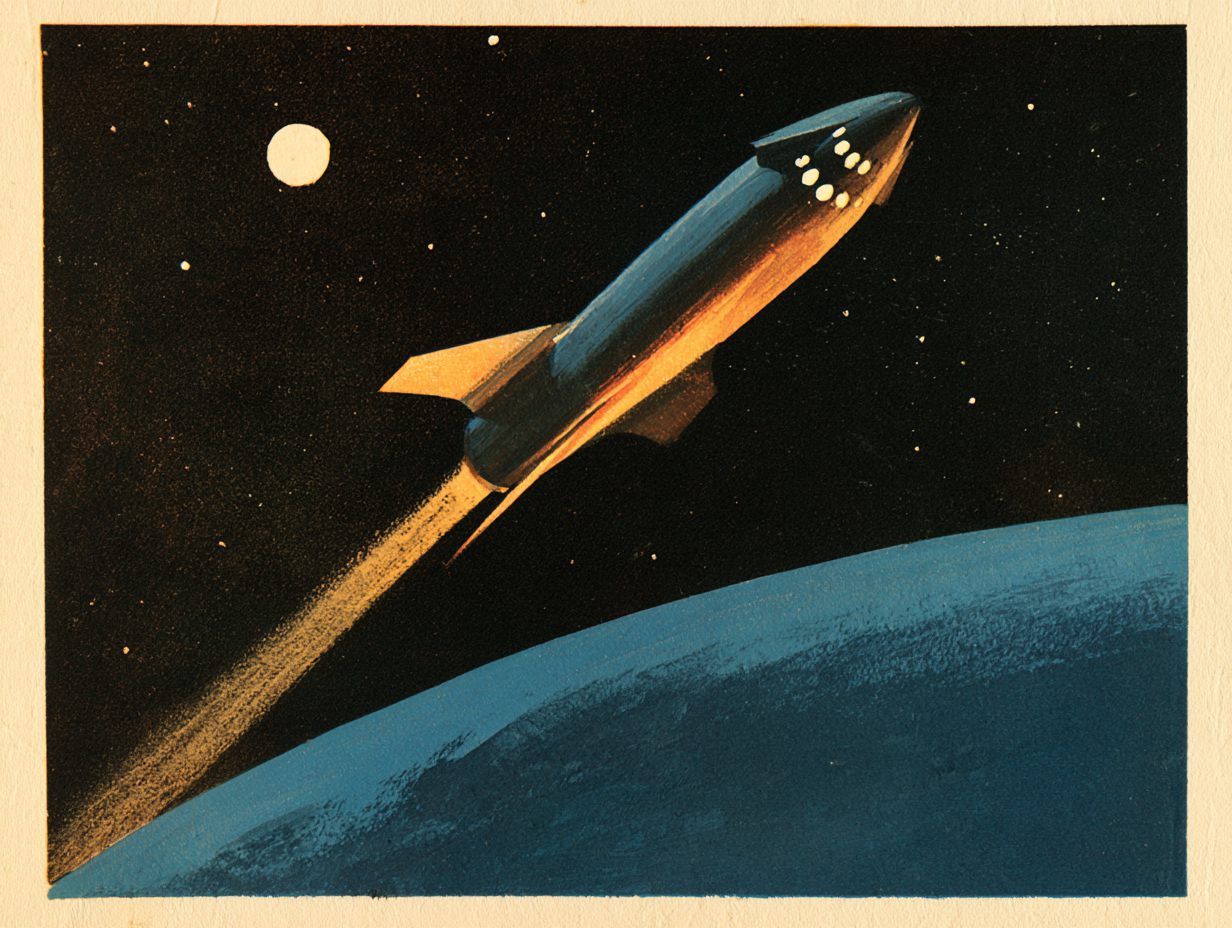
Up. Up. Up.
The rumble pushes you down into your seat.
In a few minutes the blue sky is gone, and the sky turns black.
Look. The sun is out, and so are the stars. Both at once.
Then the engines stop, and it is quiet, and you are floating.
You are on your way.

The trip takes about seven months.
In the ship, nothing weighs anything at all.
You will strap yourself into bed so you do not drift away in your sleep.
Every day you will walk on a machine, so your bones do not forget the ground.
The ship has a special room surrounded by water and supplies. It is where you go when the sun’s rays get too strong.
There is a lot of time to read. And to play.
See: The Cruise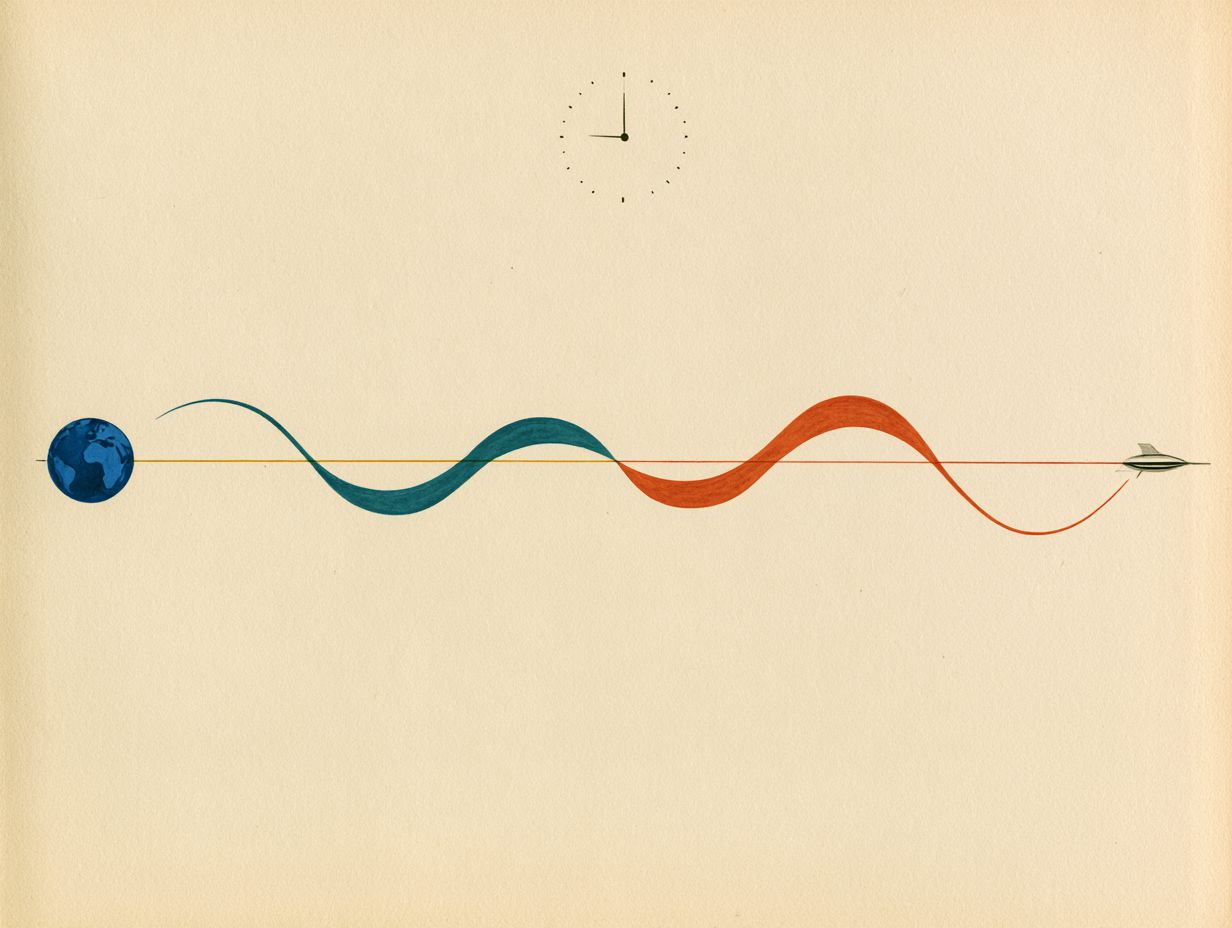
Home gets a little farther away every minute. Every hour.
Some days your radio “hello” takes twenty minutes to arrive.
The answer takes twenty minutes to come back.
So you will not call home. You will send messages, and voices, and films.
And every day, home will send them to you.
See: Calling Home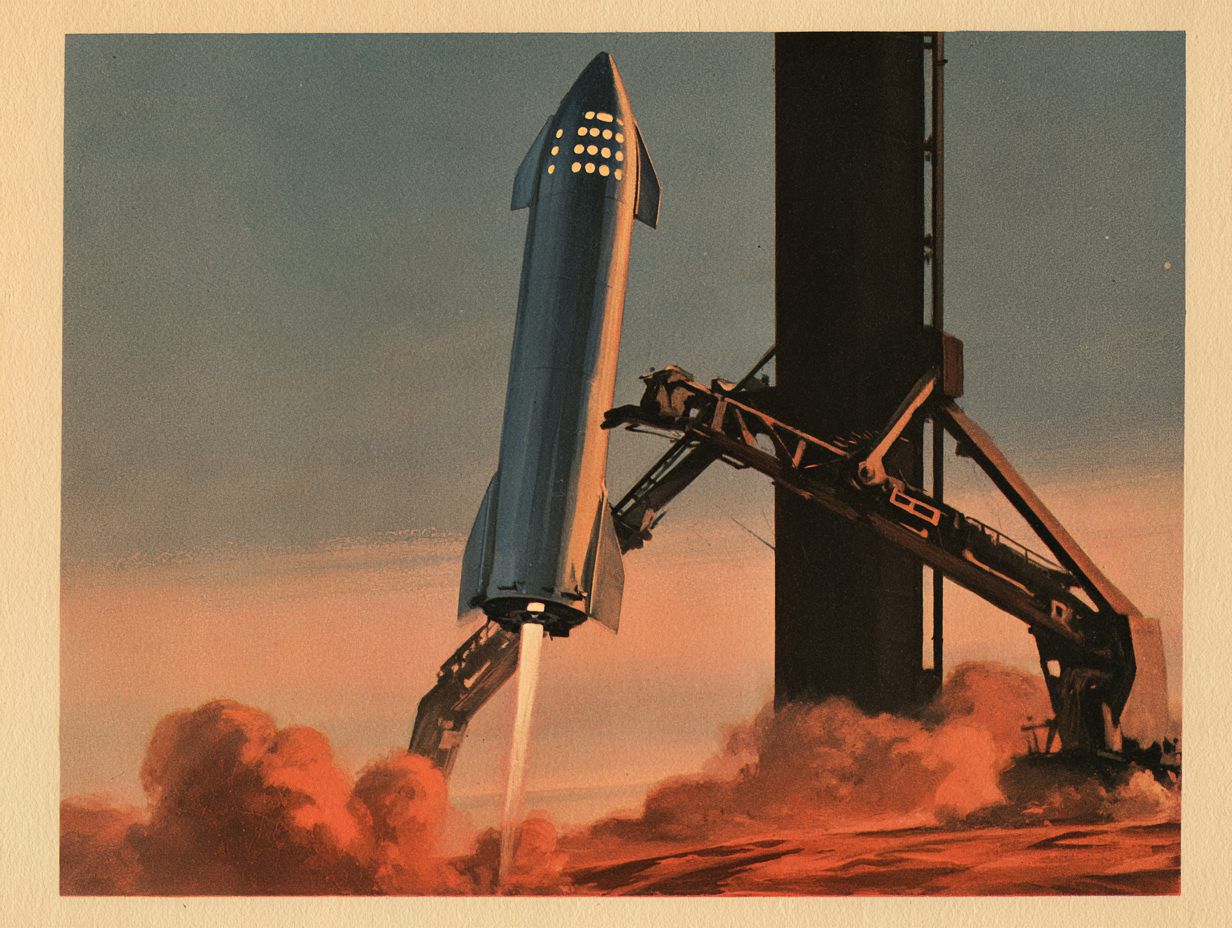
Now Mars is big in your window.
The air on Mars is very, very thin. Too thin for a parachute.
So your ship turns around, points its feet at the ground, and fires its engines.
Down, down, slower, slower. The spaceport's tall tower reaches out two great steel arms, and catches your ship right out of the air.
A cloud of red dust rolls away in every direction.
You are there.
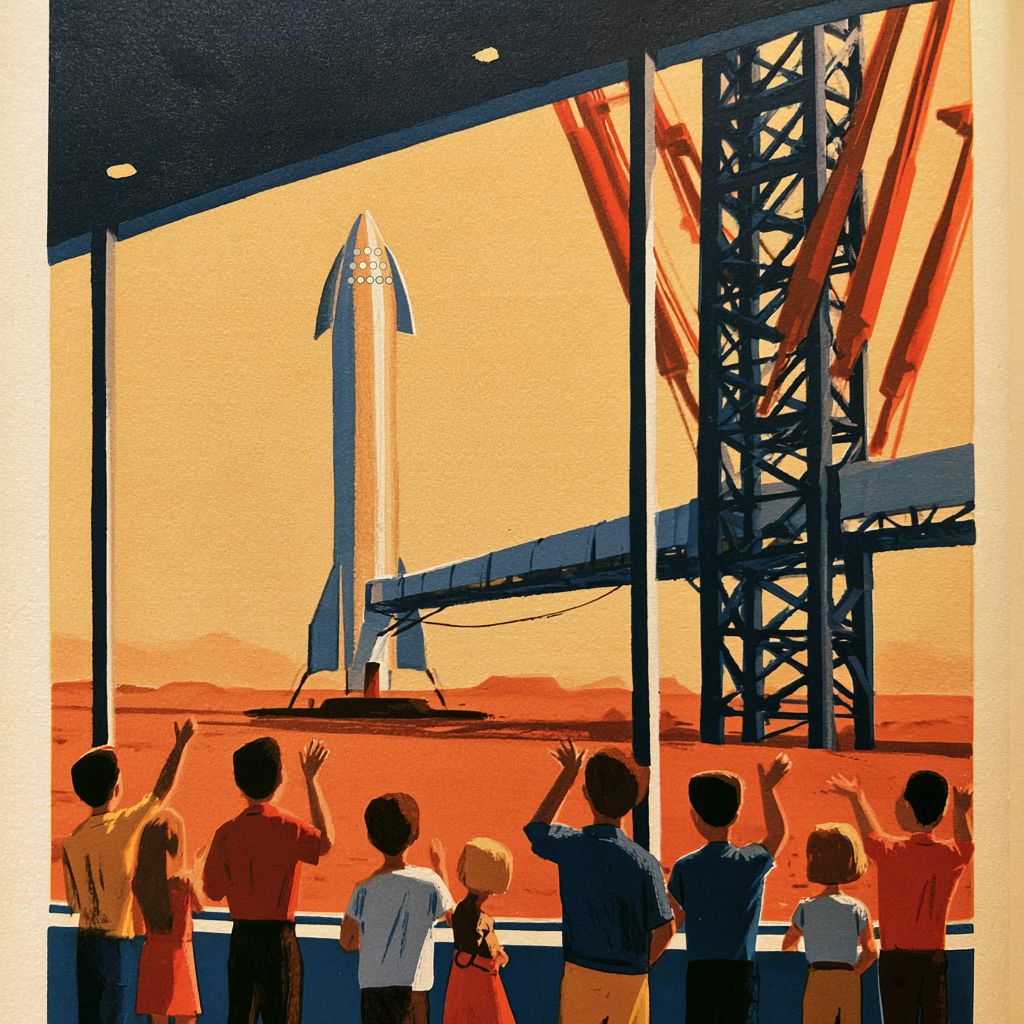
You will not just hop out onto the dirt. Mars runs a spaceport.
The tower sets your ship gently down on its pad, and a covered bridge swings out to meet the door. Just like at the airport.
You walk across in your shirt sleeves, light as a balloon. You are lighter here.
So your first step on Mars is really a little bounce.
And behind the terminal's big window, look. The whole town is waving.
They have been waiting twenty-six months for new faces. Welcome to Mars.
See: Your Weight on Mars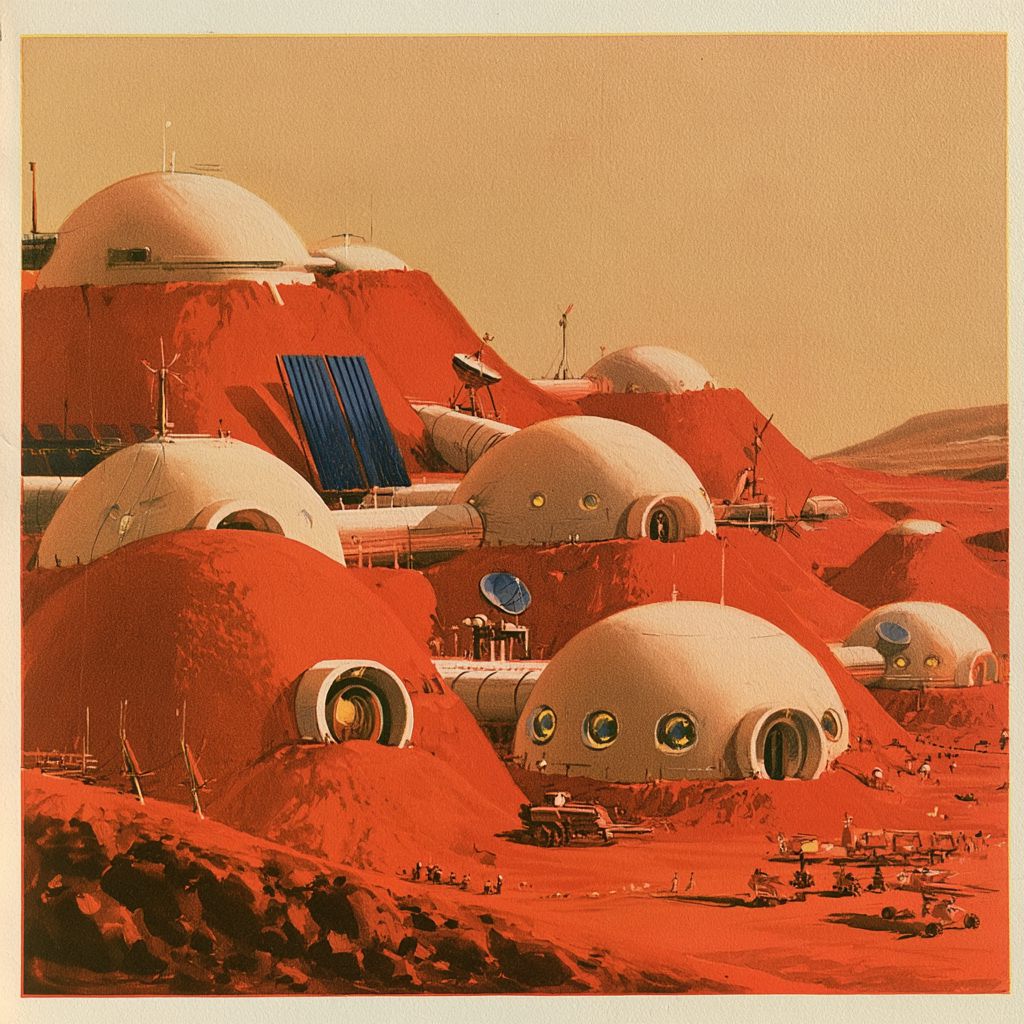
Look! Do you see that low white dome?
That is the Mars house.
That is where you will live on Mars.
Its roof gets piled thick with Mars soil, to keep out the space rays.
White tunnels run from dome to dome, so you can walk to breakfast without your suit on.
Inside, the bunks are tucked deep under the soil, where the space rays cannot reach at all.
Your bunk is the deepest one down. It is the safest, coziest spot in town.
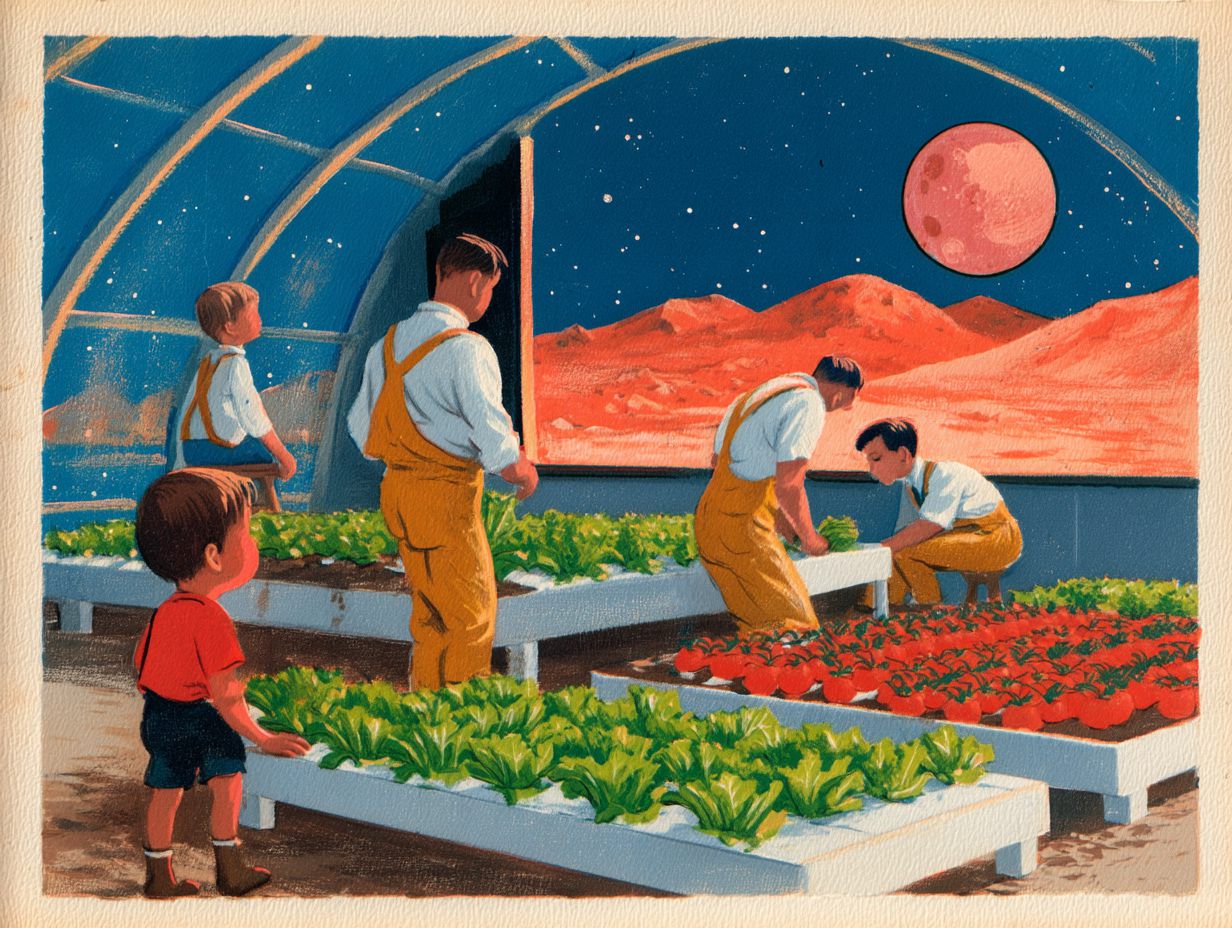
Down the tunnel from your bunk is the biggest room on Mars.
Everyone calls it the green room.
Rows and rows of lettuce, and kale, and little tomato plants grow in trays. There is no soil.
The lamps glow pink, because plants drink the red and blue light and leave the green.
Astronauts already garden this way on the space station. They say the lettuce is delicious.
You will do your homework in the green room. It smells like home.
See: The Green Room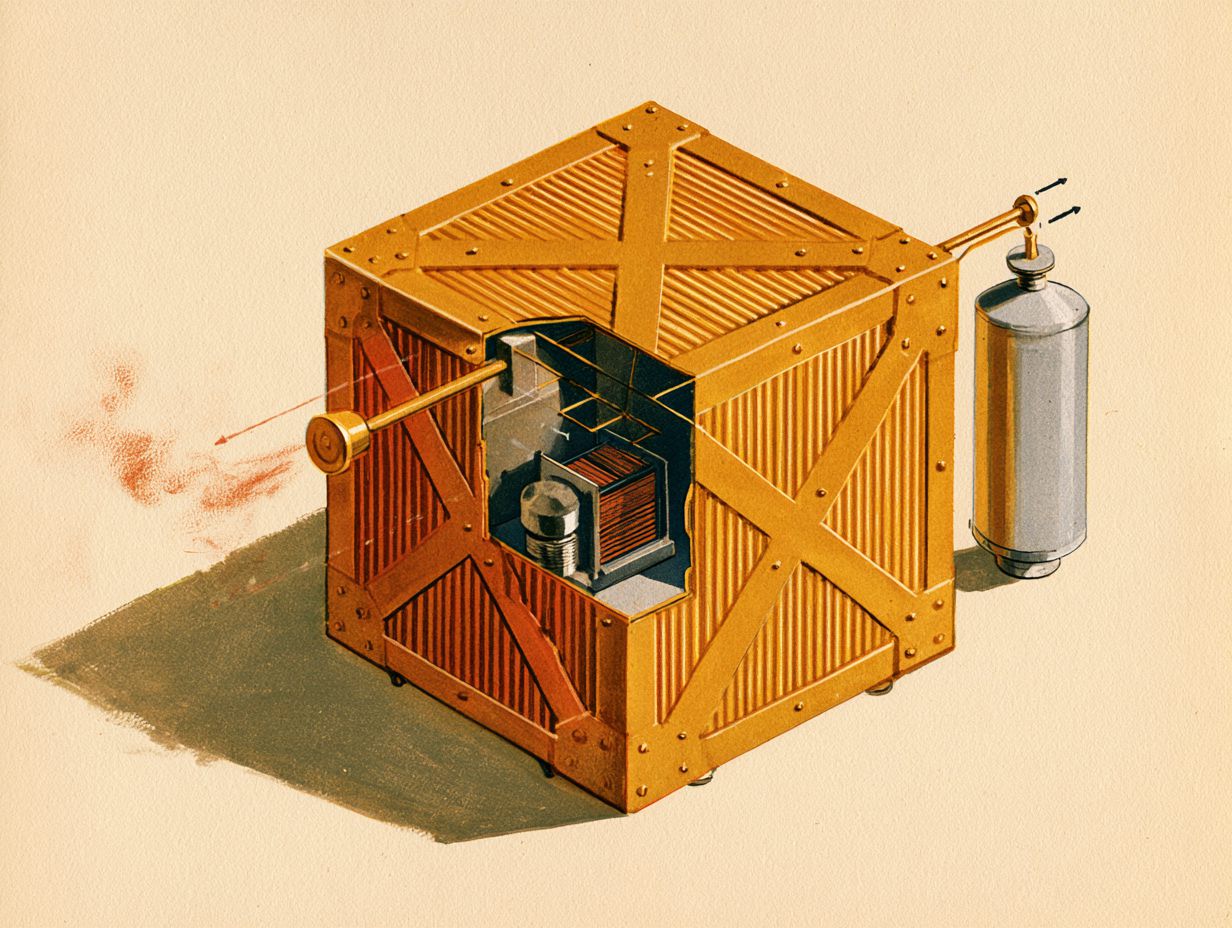
You cannot breathe the air on Mars.
It is almost all carbon dioxide. The gas you breathe out.
So your machines breathe it in, and turn it into oxygen.
A small machine named MOXIE already did this on Mars, in 2021.
Your machines will be much bigger. They will fill your tanks and your rocket.
See: Making Oxygen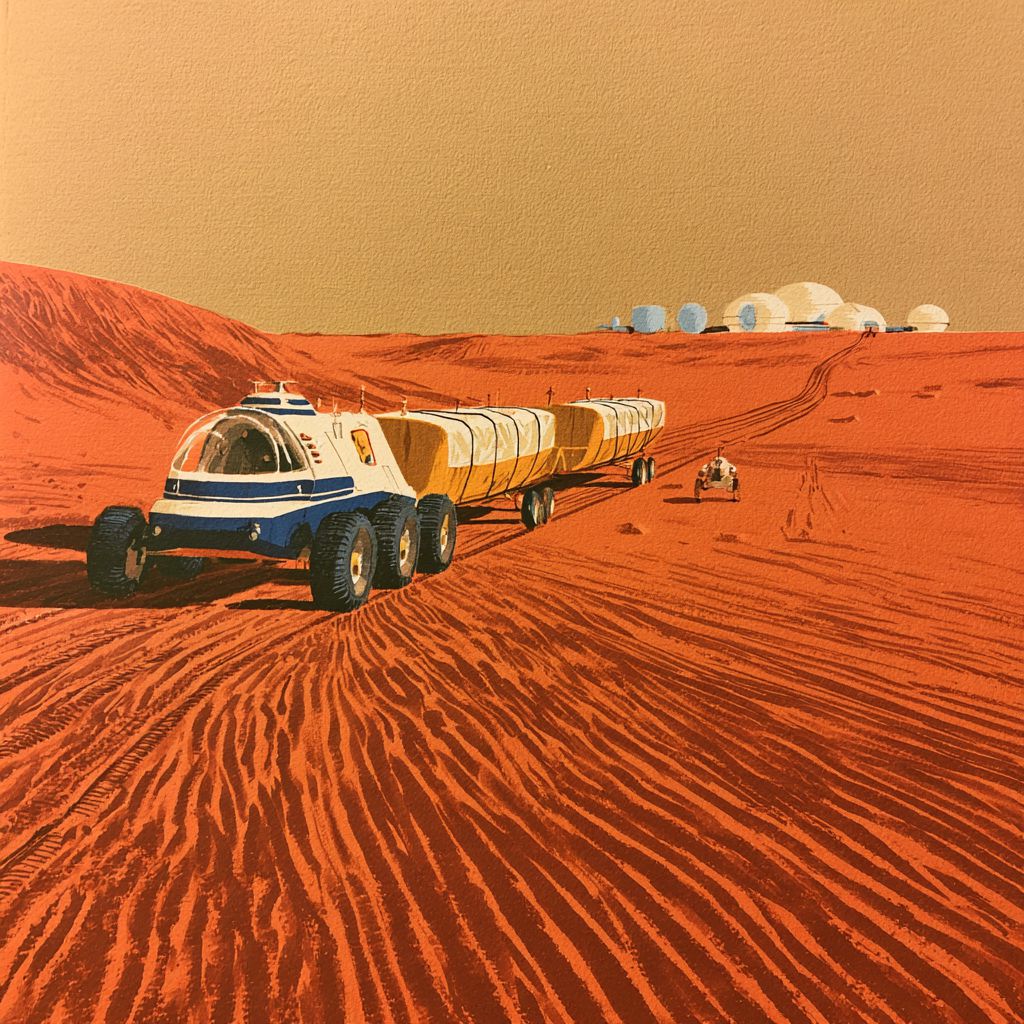
On Mars, water goes around, and around, and around again.
Machines catch every drop: the steam from your cocoa, the fog of your breath. Then they clean it all back into drinking water.
When the town needs more, the ice convoy rolls home from the mine. The ice sealed up tight in its trailers, so the thin air cannot steal one drop on the way. Soon there will be pipes that will connect the ice to your house.
The ice was dug from just under the soil.
On Mars, nothing is wasted.
See: The Water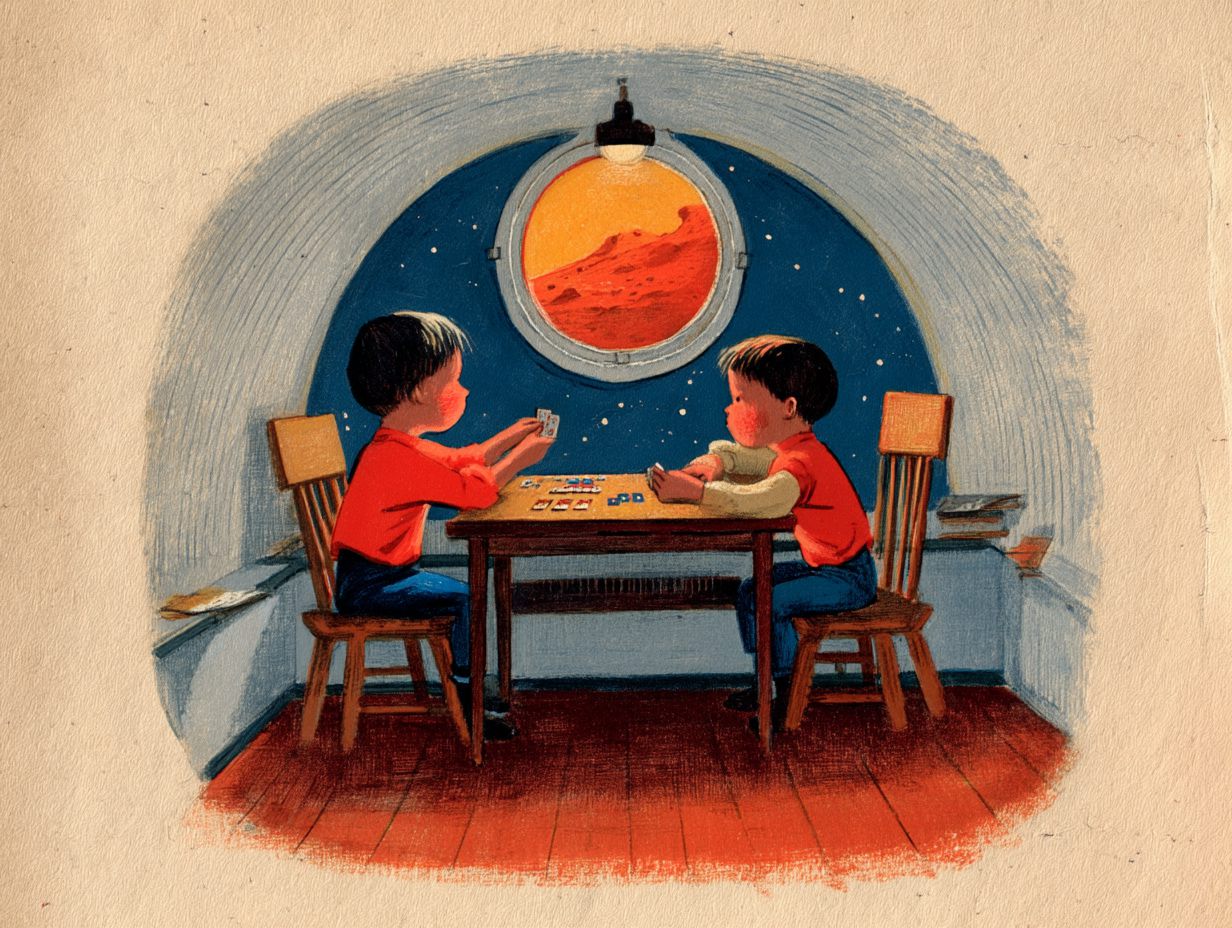
A day on Mars is called a sol. It is a little longer than a day at home.
Mars is colder than the coldest winter anywhere on Earth.
And some years, the wind lifts the red dust up, and up, until the storm covers the whole planet at once.
Then you will stay inside, and play cards, and wait.
The dust always settles. It can take months.
See: Sols, Cold & Dust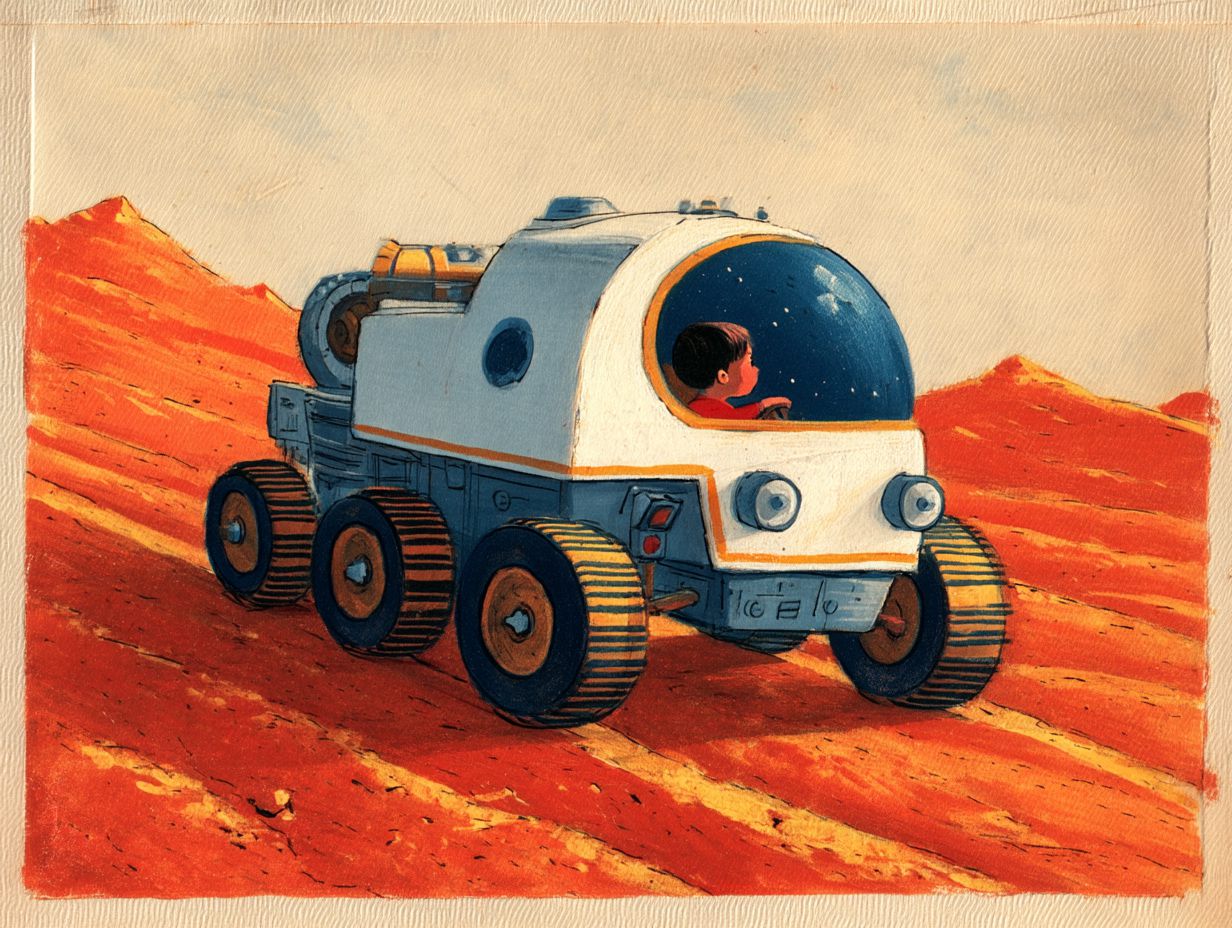
Some sols you will pack the rover and go exploring.
It is a little house on wheels. Inside you can take your helmet off and drive in your shirt.
Slow and steady it rolls, over the dunes and around the craters, for days at a time.
A little robot rover named Opportunity once drove a whole marathon here. It took eleven years.
You will drive a marathon before lunch.
See: The Drive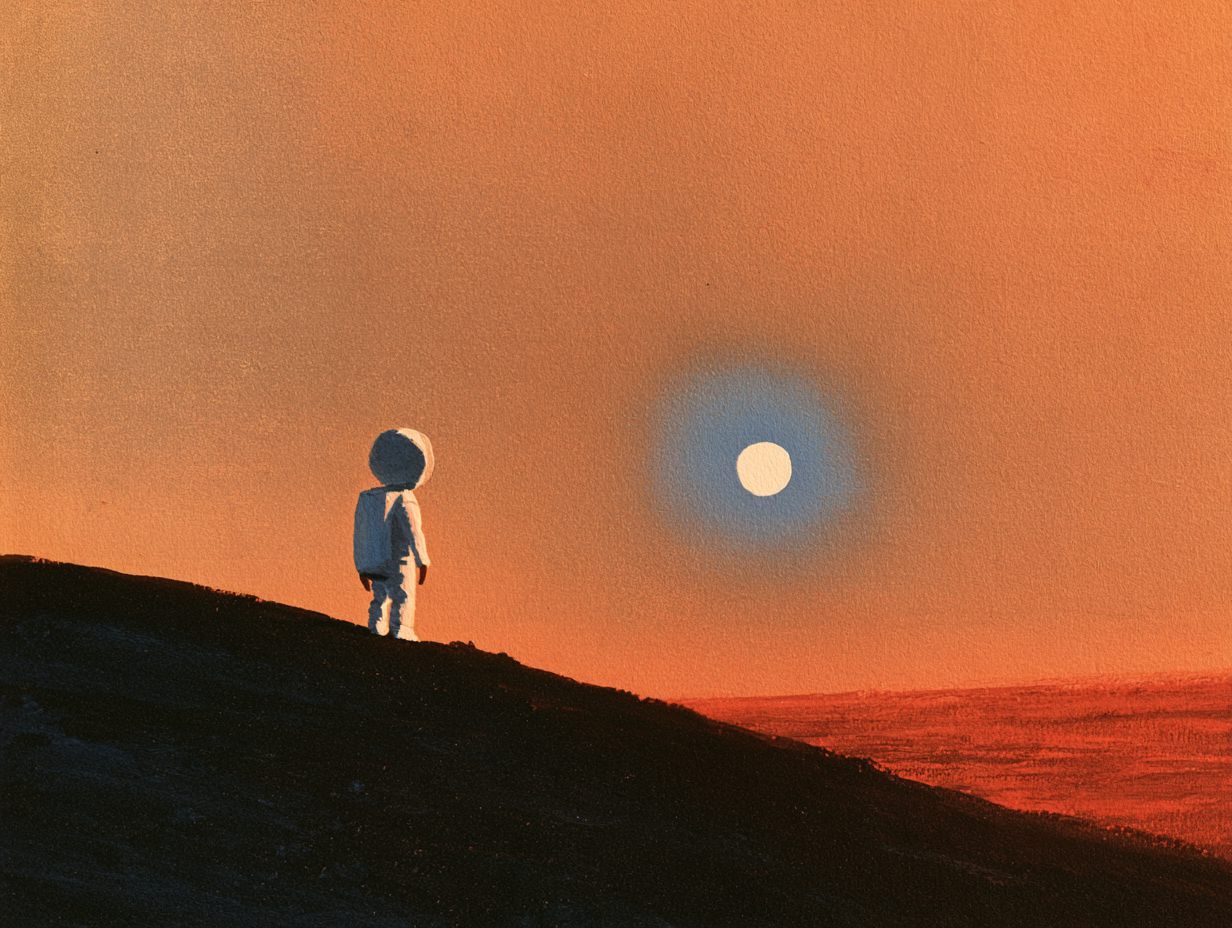
At home, the sky is blue and the sunset is red.
On Mars, it is the other way around.
All day the sky is a dusty butterscotch color.
But when the sun goes down, it sets inside a little circle of blue.
Most nights you will watch it from your window with your hot milk.
But some nights you will suit up, and climb the ridge, and see it fill the whole sky.
Nobody ever gets tired of it.
See: The Blue Sunset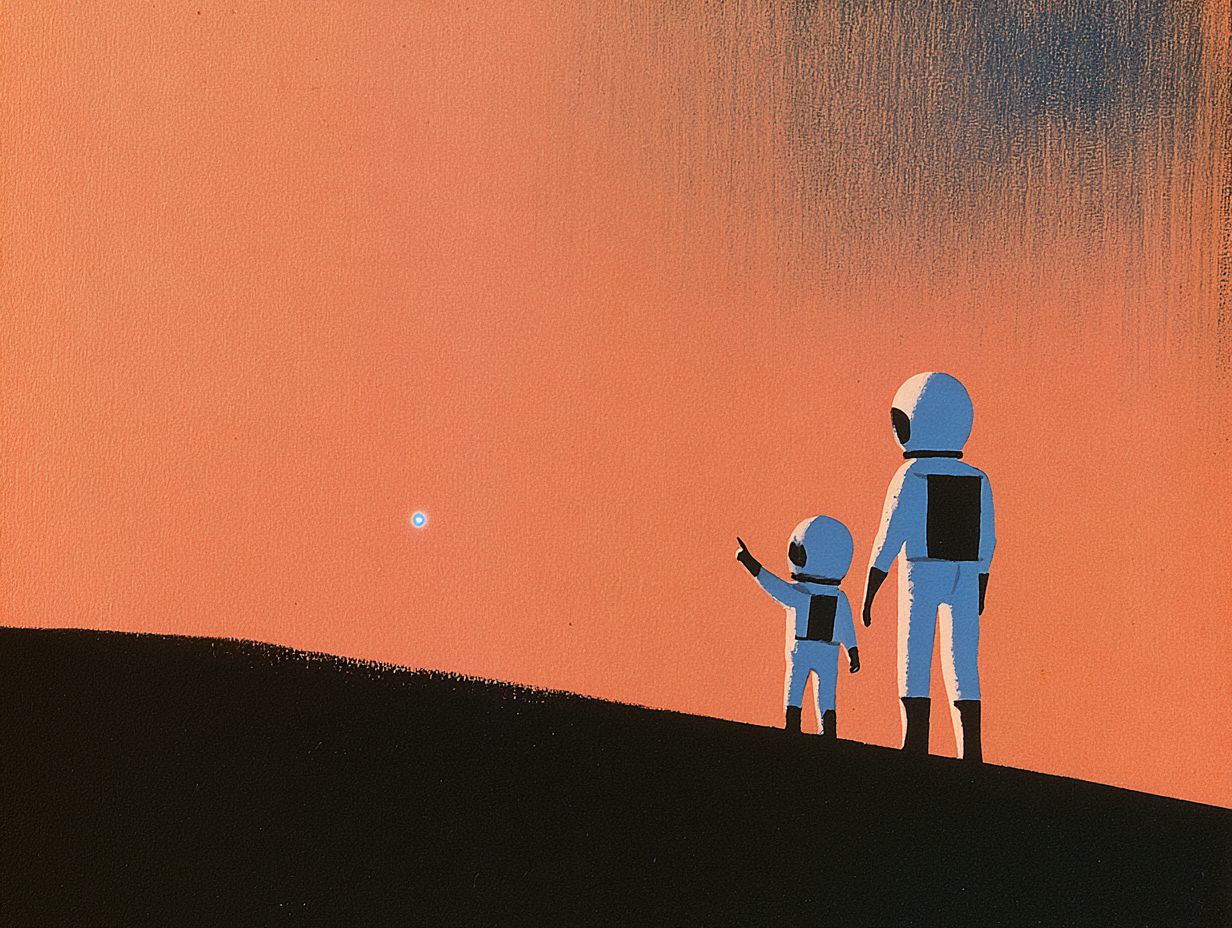
After a year and a half on Mars, Earth swings near again, and the short road home opens.
Maybe you will climb aboard and go home.
Maybe you will stay, and help build the town.
Either way, remember.
The first person to walk on Mars is alive today, somewhere on Earth, probably learning things.
It might be someone you know.
It might be you.
With enough demand, You Will Go to Mars is being made as a real casebound picture book.
first printing 2026
Mars is up there, far away. No one has walked on it yet. But someone will, soon. And this book, like the one before it, intends to be right.
Every fact inside is real, checked, and sourced from NASA. The rest is a promise.
No payment now. When the press starts, you will get an e-mail. The fast kind, no twenty-minute delay.